Table Of Content

The overall purpose of the design should be to make the lives of users easier. Similarly, the use of good contrast is important in the text as this can make the content readable and user-friendly. Similarly, the use of visual aspects such as contrast and proximity of design elements can only reflect on the importance of a certain element. It must, however, be noted that the arrangement needs to be consistent throughout the design. Once a UI/UX designer decides on the precedence of information, he/she must stick to it all around.
Questions related to User Experience (UX) Design

Whether it's through subtle animations that acknowledge a user's action or more direct methods like alerts and notifications, feedback reassures users that the app is responsive to their input. Listening to user feedback and making iterative improvements based on that feedback is also key to refining the overall experience. Your app should offer a straightforward path to accomplishing tasks with minimal effort. This means reducing the number of steps to achieve an outcome, using clear and concise language, and ensuring that buttons and interactive elements are easily recognizable.
Is UX design a good career?
Achieving balance is key in minimalist UI/UX design, where simplicity is balanced with functionality, and aesthetics are balanced with usability. Striking this balance requires careful consideration of user needs, design principles, and technological constraints. By finding the optimal balance, designers can create experiences that are both elegant and effective. The User Experience (UX) Certificate is perfect for professionals wanting to make a career change and learn in-demand skills from expert instructors. The program offers hands-on experience with UX design tools, and teaches concepts such as user empathy to understand human-centered designs.
How underlining text affects readability
However, it’s vital to ensure that all users, including people suffering from disabilities, can use the product with ease. Bear these seven UX design principles in mind and you’ll be well on your way to creating enjoyable products that are a hit with your users. The sixth of the UX design principles, Accessibility, is critical to good UX and all UX designers have a responsibility to understand what it means and to factor it into the design process. By being consistent with what your users expect, you’ll create a product that’s easy to use, with a very low learning curve for the user.
Laws named after people
Fortunately, there are some universal UX design principles to guide you in making the right decisions and putting the user first. Instead, design is an iterative process, in which you consistently seek to understand the way in which users are actually using your web pages and use this intelligence to improve them. For this reason, users will come to your site with a pre-existing idea of how things “should work,” and it’s important to respect this. While you shouldn’t replicate your competitors’ apps and websites, creating an interface that feels similar to market-leading websites can help your users to navigate your pages easily. This is because the more familiar your page looks, the easier it will be to use, and the more seamless your users’ experience will be. Research shows that users respond positively to pages that look familiar.
For instance, you cannot create your UX portfolio without first knowing which UX role you want to target. Likewise, you need to know which job role you’re aiming for in order to sign up for courses that can teach you those exact skills and knowledge. You might know what a “UX designer” does, but what about a “visual designer”, “product designer” or “UX unicorn”?
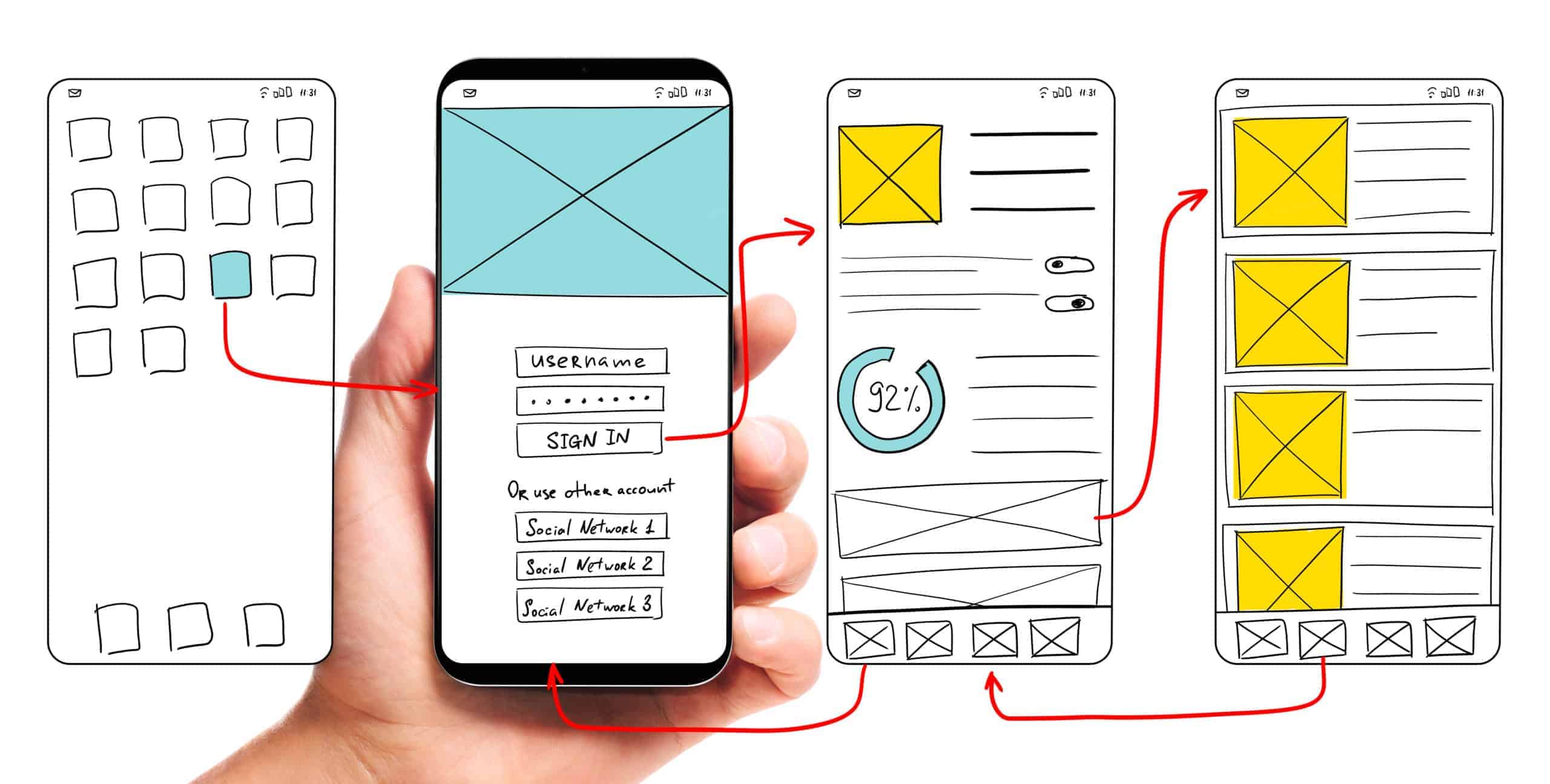
Initially, test early prototypes to catch major usability issues early on. Continue testing throughout the development cycle, using insights from earlier tests to refine the design. This collaborative approach ensures that the design process remains user-centered, as teams incorporate feedback quickly into prototypes and make adjustments in real time.
Table of Contents
While degree-granting colleges and universities must undergo a rigorous accreditation process to demonstrate quality and value, online bootcamps operate under fewer regulations. You’ll need to do your research to ensure you attend a worthwhile UX design bootcamp. By implementing this approach, I have maintained the familiar visual indication of links, continued to ensure WGAC compliance, and minimised potential readability issues. This question highlights a common misconception about accessibility standards. While the WCAG (Web Content Accessibility Guidelines) provides a robust framework for digital accessibility, meeting these standards does not guarantee a solution to all accessibility challenges. On one hand, underlining hyperlinks is recommended as it is a familiar UI pattern that meets accessibility requirements for people who are colour-blind or are visually impaired.
What’s the difference between a product designer & UX designer?
The user experience often determines if users stick around, whether free users convert to paid, and whether they churn. UX is a concept that transcends every team and every role within an organization, and it’s an even more vital concept for product teams. One example of designing for accessibility could be to use high colour contrast to ensure that text is legible for users with visual impairments. For real-world examples of accessible design in action, check out these websites which have nailed the accessible design principle. So, the principle of user control is all about helping users to correct or reverse errors without throwing the entire user experience into disarray. Accessibility should be a priority in your design process, ensuring that your app can be used by people with a wide range of abilities and disabilities.
Sometimes, a designer might even be the entire design team, in that their role is a UI-UX designer and they have more to do from a design perspective than they would in a larger organization. The key is to remain focused on the user's needs while balancing technical constraints and business goals. This holistic approach not only enhances the user experience but also contributes to the overall success of the product in the market. In fact, often, design teams offer users some context to smooth out possible frictions in the user’s journey. Designers are typically more careful with form design because the questions can be open to misinterpretation. For example, a behavior analytics or product experience tool can help you get feedback on how mobile users behave in your product.
A well-crafted UX portfolio should provide context by describing the problem and solution for each project, along with your role and any constraints you faced. Use visual elements such as user flows, wireframes, and interactive prototypes to enhance the presentation. And don’t forget to include measurable results to further strengthen your portfolio.
As users, we often take this hierarchy for granted because it feels so natural, but it’s essential for a smooth navigation experience. Hierarchy is one of designers’ best tools to help users move through a product easily. Develop and adhere to a style guide that includes your product’s color palette, typography, button styles, and other visual elements. Use reusable components and patterns to maintain consistency across your product.
Augmented Reality in UI/UX Design: Transforming Digital Experiences - Siliconindia
Augmented Reality in UI/UX Design: Transforming Digital Experiences.
Posted: Sat, 02 Dec 2023 08:00:00 GMT [source]
Regular meetings between UX designers and developers help address any technical challenges that may arise during development. Daily or weekly meetings via video conferencing platforms like Zoom can help team members discuss their progress, brainstorm ideas and address challenges. These regular interactions build a sense of team unity and keep everyone aligned with the project goals. By following these stages, UX designers ensure that they create user-centered designs that are both functional and engaging.
"Applying these five UI principles together will help improve any digital product," says Tom. We’ll start by exploring the fundamentals of UX design and its significance in today’s tech-driven world. You’ll gain a clear understanding of what UX designers do on a daily basis and the essential skills required to excel in the field. We’ll also take a deep dive into the UX design process, revealing the step-by-step approach to creating exceptional user experiences. UI design (User Interface Design) and UX (User Experience) are closely related but distinct concepts in the design field. UI design focuses on the visual and interactive elements of a digital product, such as buttons, icons, and layout.
An eye-pleasing design can never replace an intuitive and easy-to-use interface that instills a sense of confidence and satisfaction. Therefore, it is imperative to ensure that your product is truly usable before you start worrying too much about aesthetics. Many of today’s top UX designers come from all different backgrounds, and it’s typically very common for graphic design professionals to transition into the field. To become a job-ready UX designer, start by educating yourself on the fundamental concepts and principles of UX design. UX design (User Experience) is a multidisciplinary field that focuses on creating meaningful and enjoyable experiences for users when they interact with a digital product, service, or system.



No comments:
Post a Comment